
When most people think of iron, they imagine the common metal that makes up so many everyday items, such as fridges, pans, wires, rods, nails, and much more. However, iron is far more than a material that makes up your kitchen appliances; it is also an extremely important mineral in the body. It is essential to muscle and respiratory function, oxygen transport in the bloodstream, and DNA synthesis [2]. Iron deficiency- with or without anemia- is a global health issue, yet many remain unaware of its impact. One of the groups that it overwhelmingly affects is endurance athletes, many of whom don’t realize the underlying issue that could be sabotaging their performance and training.
Such a high prevalence of iron deficiency in endurance athletes stems from a multitude of reasons. A major one is a process called foot strike hemolysis, which is the breakdown of red blood cells due to the repetitive impact of feet striking the ground [2]. It can also be attributed to diet, sweating, decreased absorption, micro bleeding in the GI tract, and menstrual cycles, which make the issue overwhelmingly common in female athletes. While 3-11% of male endurance athletes are affected, that number jumps to 15-35% in females [3].
Even though it is alarmingly common among athletes, the issue still often goes unrecognized. Some of the most common symptoms are low energy, fatigue, decreased endurance/performance, slow recovery, rapid heartbeat, and even negative impacts on mood or mental health [1]. If you have been experiencing these symptoms, then it may be time to talk to your doctor about getting tested!
Typically, diagnosis involves a workup that includes a complete blood count, reticulocyte count (immature red blood cell), serum ferritin and iron levels, and an iron panel that includes transferrin saturation and total iron binding capacity. Although interpretation isn’t always straightforward, generally low ferritin and iron indicate iron deficiency, while low hemoglobin and high TIBC can mean iron-deficiency anemia, with the difference lying in hemoglobin levels [1].
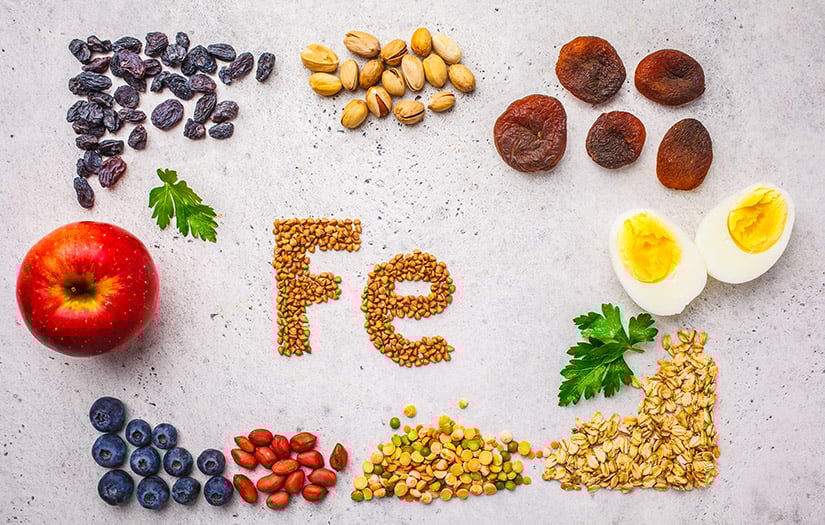
Once diagnosed, however, treatment proves to be relatively simple. The first step is to identify and address the cause, which could include reduced training intensity or taking a break from it all together. In addition to that, dietary changes to increase natural iron intake are also recommended. The advised amount of iron for athletes, 18 mg per day, however, can be difficult to achieve through food alone, so iron supplements are also commonly prescribed along with vitamin C to boost absorption. In some cases where oral supplements aren’t being absorbed or tolerated, iron infusions can also be an option through IVs [4].
As stated, iron deficiency remains as a silent killer of athletic performance, largely due to under-recognition. To combat this, spreading awareness to teammates and other athletes is crucial, along with listening to your own body and symptoms. So, the next time you’re feeling overly fatigued or sluggish, it could be due to other reasons besides your training plan!
Sources: